
Understanding Pelvic Health: A Guide to Confidence and Wellness for Every Woman
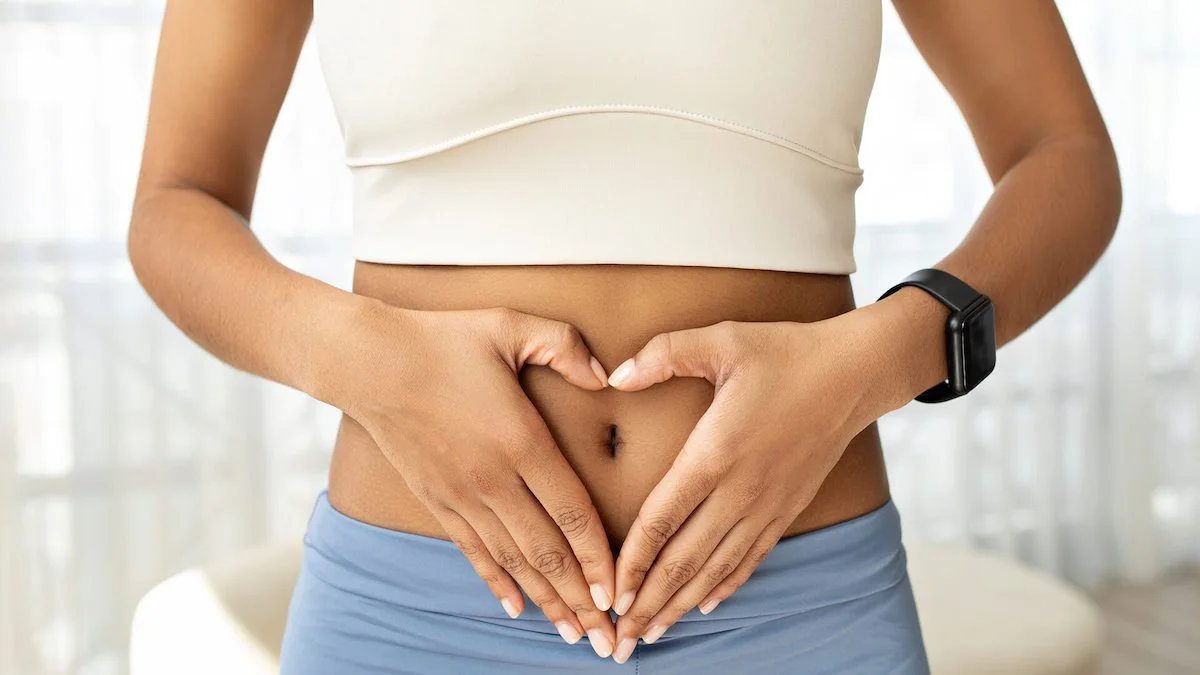
Pelvic health affects millions of women worldwide, yet it remains one of the most misunderstood and under-discussed aspects of wellness. I am Dr. Nabila Noor, a gynecologist and pelvic reconstructive surgeon. Every day, whether in my clinic, the operating room, or here on my YouTube channel, I work with women to address their pelvic health concerns and provide clear, evidence-based guidance that empowers them to live fully and confidently.
If you are like many women, you may experience symptoms that are common but often ignored or dismissed. Leaking urine when laughing, coughing, or sneezing, difficulty controlling bowel movements, sensations of fullness or bulging in the pelvic area, pain after childbirth, or recurrent urinary tract infections are all signs that something may be out of balance. While these issues are common, common does not mean normal. Ignoring these signs can lead to worsening symptoms and a decreased quality of life.
This guide will explore the foundations of pelvic wellness, the impact of pregnancy and aging, lifestyle considerations, treatment options, and strategies for lifelong care. Understanding your pelvic health is about more than addressing symptoms, it is about building confidence, reclaiming your body, and empowering yourself with knowledge.
Why Pelvic Health Matters
Many topics related to pelvic health are rarely discussed openly. This lack of conversation can leave women confused, hesitant, or even fearful of seeking care. Understanding what happens to your body during and after pregnancy, how aging affects pelvic function, and the influence of lifestyle choices is crucial for maintaining long-term wellness.
Pelvic health is not just a physical issue. It is deeply tied to emotional well-being and self-confidence. Embarrassment, shame, or stigma can prevent women from seeking help or discussing concerns openly. Creating a safe and supportive environment to learn about pelvic health removes these barriers, empowers women to advocate for themselves, and normalizes a conversation that should never feel taboo.

Pregnancy and Childbirth: The First Major Impact
Pregnancy and childbirth can have a profound effect on pelvic health. Many women experience urinary incontinence, stool leakage, or a sensation of bulging after giving birth. These issues are often dismissed as temporary inconveniences, yet they can persist if not addressed.
Postpartum care should include attention to the pelvic floor. Many women are unaware of the exercises, therapies, and medical interventions that can support recovery. Understanding the changes in your body during this period is the first step toward regaining control and confidence.
Effective strategies may include pelvic floor physical therapy, targeted strengthening exercises, and guidance on proper lifting and posture. With proper care, many women can restore function, improve bladder and bowel control, and regain confidence in their bodies.
Aging and Menopause: Navigating Hormonal Shifts
As women age, hormonal changes during menopause can affect vaginal tissue elasticity, bladder control, and overall pelvic support. Symptoms such as urinary tract infections, vaginal dryness, and changes in bowel function are common. While these changes are natural, they do not have to diminish quality of life.
Early recognition and intervention make a significant difference. Strategies may include pelvic floor exercises, lifestyle modifications, hormone therapy, or, in some cases, pelvic reconstructive surgery. Understanding your options and making informed decisions with guidance from a qualified provider ensures that aging does not mean giving up comfort or independence.
Fitness and Lifestyle: Strengthening the Pelvic Floor
Not all exercise is beneficial for the pelvic floor. High-impact activities, heavy lifting, and improper core engagement can strain pelvic muscles, leading to dysfunction or discomfort. On the other hand, mindful movement, proper breathing techniques, and targeted pelvic floor exercises can strengthen the region, improve bladder and bowel control, and enhance overall core stability.
Safe exercise begins with awareness. Adjusting technique, understanding pelvic alignment, and incorporating preventive strategies into your daily routine can have a major impact on long-term health and confidence. Simple practices such as gentle stretching, diaphragmatic breathing, and consistent pelvic floor activation support function and prevent injury.
Surgical Options: When Intervention is Necessary
Surgery can play an important role for women experiencing severe pelvic floor dysfunction, but it is not the only solution. Pelvic reconstructive surgery can restore function, alleviate symptoms, and improve quality of life.
Decisions regarding surgery should always be individualized. The appropriate candidate, potential risks, benefits, and expected outcomes must be carefully evaluated in consultation with a qualified provider. The goal of surgical intervention is not only symptom relief but also the restoration of confidence, comfort, and function so women can live fully without limitations.
Education is Empowerment
Knowledge is the cornerstone of pelvic health. Understanding your anatomy, how your body functions, and what changes to expect empowers you to make informed decisions about your care. Early recognition of warning signs, preventive strategies, and timely intervention can prevent complications and improve quality of life.
Education also removes fear and confusion. By equipping yourself with reliable information, you can advocate for your health, practice preventive care, and confidently navigate medical decisions.

Creating a Supportive Environment
Pelvic health is not just a medical concern, it is a matter of confidence, independence, and well-being. Women who experience urinary or bowel dysfunction, pain, or prolapse often report decreased participation in social activities, avoidance of exercise, and reduced self-esteem.
Addressing these issues through education, care, and support can dramatically improve daily life. A safe and open environment encourages discussion, reduces shame, and promotes proactive care. Normalizing conversations about pelvic health allows women to reclaim control over their bodies and build lasting confidence.
Making Pelvic Health a Lifelong Commitment
Caring for your pelvic health is a lifelong journey. From the physical changes of pregnancy to the hormonal transitions of menopause, the pelvic floor is dynamic and essential. Prioritizing prevention, education, and treatment ensures women maintain strength, function, and independence throughout life.
Practical steps include consistent pelvic floor exercises, mindful fitness practices, regular check-ups, and understanding when medical interventions are appropriate. These strategies allow women to experience improved comfort, confidence, and quality of life.
Take Control of Your Pelvic Health
Your pelvic health matters. It reflects your overall well-being and has a profound impact on daily life. By listening to your body, seeking professional guidance, and embracing evidence-based strategies, you can address challenges, prevent complications, and maintain independence.
Whether through education, exercise, lifestyle adjustments, or medical interventions, every woman has the ability to feel strong, empowered, and confident. Seeking help is a sign of strength, not weakness. Discussing symptoms, asking questions, and pursuing solutions are essential steps toward reclaiming control of your body and your life.
Education, prevention, and intervention are key to pelvic health. With consistent support and reliable information, you can navigate life’s changes with confidence, strength, and ease. Your pelvic health is essential to your overall wellness, and it is never too early or too late to take action.
If this message resonated with you, feel free to share it with a friend, sister, or mother who may benefit from understanding her body a little better too. For additional guidance, tips, and exercises focused on pelvic health, follow Dr. Nabila Noor on YouTube, Instagram, and TikTok. Prioritizing your pelvic floor today ensures a healthier, stronger, and more resilient body tomorrow.