
Is Your Workout Harming Your Pelvic Floor? Top Fitness Habits That Could Be Causing Damage and How to Fix Them
It’s 2026, which means one of two things: you are either fully committed to your fitness routine, pushing toward your goals, or you are ready to rethink how you train.
The version of you from five years ago would have celebrated your discipline, your consistency, and the progress you have made. The version of you today? You may be noticing small leaks, pressure, or discomfort during workouts subtle signals that your fitness routine may be helping you build strength but could also be harming your pelvic floor.
If this feels familiar, you are not alone. Many women unknowingly put their pelvic health at risk while chasing strength, endurance, or aesthetic goals. The good news is that with awareness, small adjustments, and intentional practice, you can continue to work out safely while protecting your pelvic floor.
What Got You Here: Your Current Workout Habits
Your dedication and hard work have gotten you strong, fit, and committed to health. You have mastered routines, pushed yourself in the gym, and stayed consistent. You know how to lift, squat, and complete countless repetitions to reach your goals.
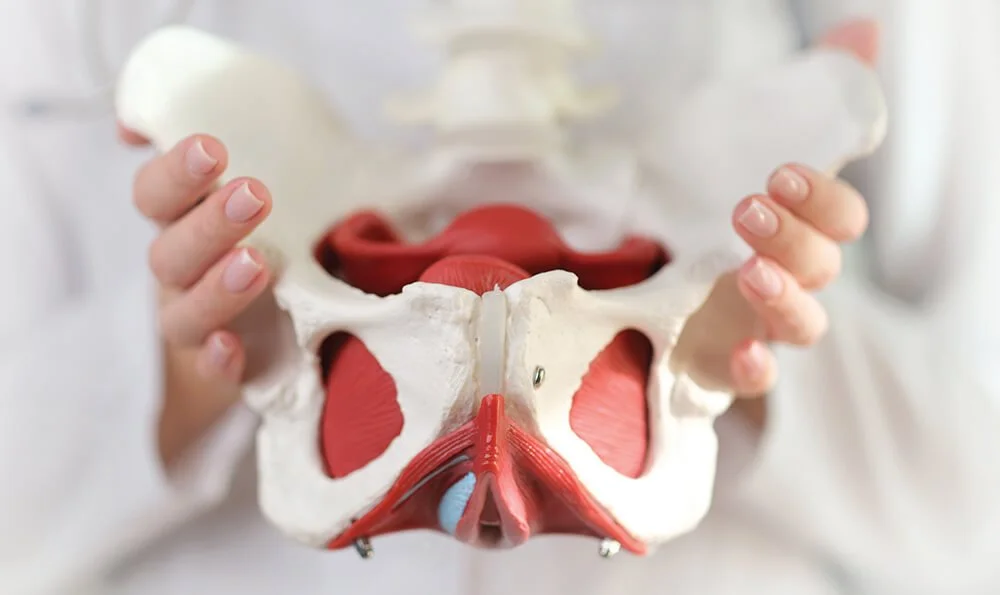
But here’s the reality: some of these habits that helped you build strength may also be putting your pelvic floor at risk. Think of your pelvic floor as the foundation of a house. A strong foundation supports everything above it, but if it weakens, everything else is affected.
Your pelvic floor supports the bladder, uterus, and rectum. It plays a critical role in bladder and bowel control, core stability, and sexual health. When it is compromised, you may notice urinary leakage, pelvic organ prolapse, discomfort during exercise, or even changes in posture and core strength.
Now is the perfect time to assess your routines and understand which habits may be holding you back from safe, sustainable fitness.
Mistake Number One: Holding Your Breath During Lifts
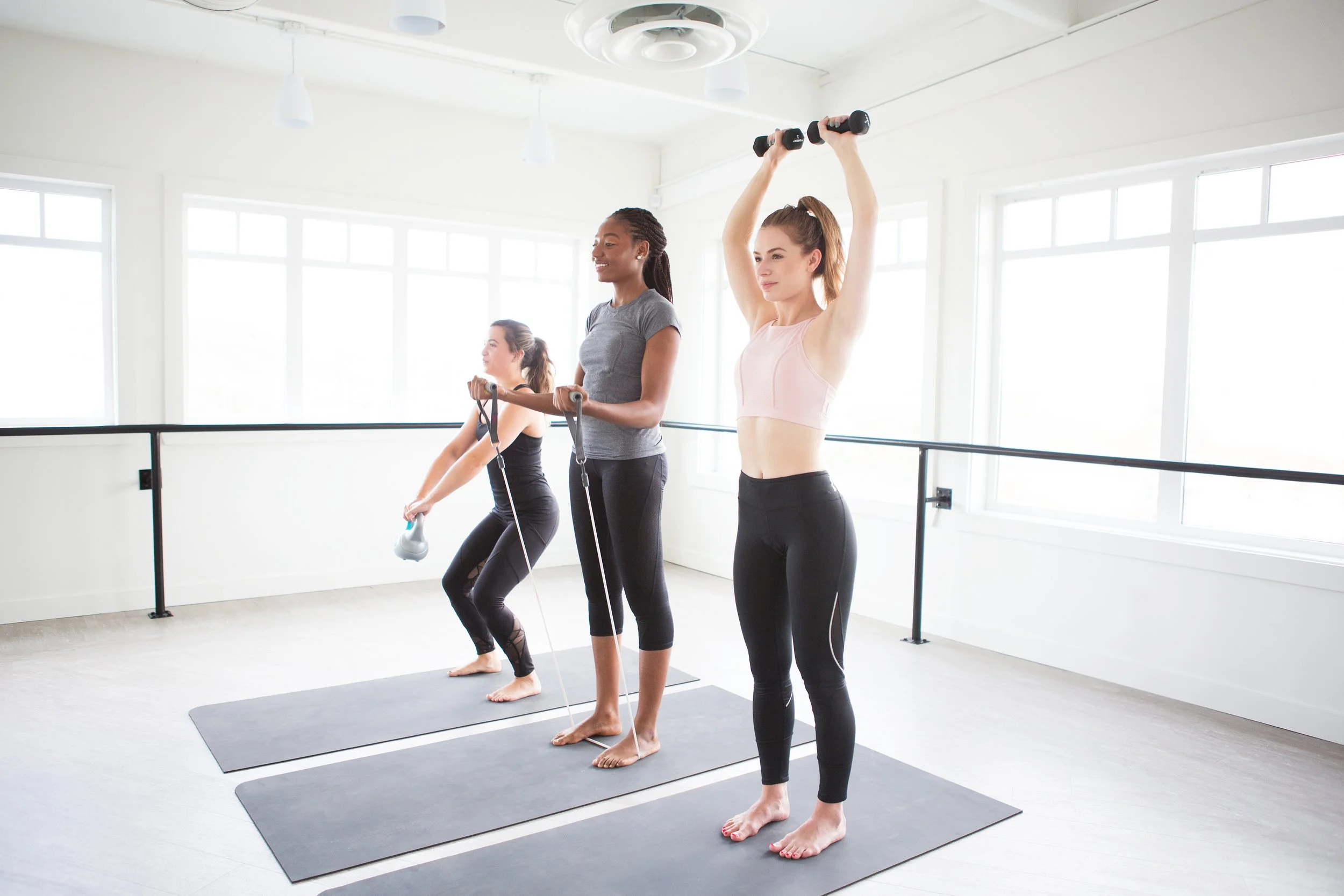
One of the most common mistakes in fitness is holding your breath during exertion. Squats, deadlifts, kettlebell swings, or even lifting heavy grocery bags can all be moments when you unconsciously brace and hold your breath.
Holding your breath increases intra-abdominal pressure, which pushes downward on the pelvic floor. Imagine trying to inflate a balloon at the base of your pelvis. Every time you hold your breath under strain, you put extra pressure on your foundation rather than supporting it. Over time, this repeated pressure can weaken your pelvic floor muscles and connective tissue, leading to urinary leakage, pelvic pressure, and even prolapse.
The solution is simple: exhale during effort. A helpful cue to remember is “blow as you go.” Coordinating your breath with your movements reduces strain on the pelvic floor and supports better core stability. This adjustment allows you to lift safely while still achieving your fitness goals.
Mistake Number Two: Crunches and Ab Workouts Without Awareness
Core strength is essential, but not all abdominal exercises are created equal. Traditional movements like crunches, sit-ups, or repeated abdominal repetitions can unintentionally strain the pelvic floor when performed without awareness.
After childbirth, extended breaks from exercise, or simply due to form, crunches can contribute to diastasis recti, the separation of the rectus abdominis muscles. This weakens the abdominal wall and places additional pressure on the pelvic floor. Even women who appear fit can experience compromised pelvic stability from repetitive ab exercises performed incorrectly.
Instead, focus on exercises that strengthen the core while maintaining pelvic floor integrity. Movements like side planks, bird dog exercises, and heel slides build strength safely and encourage proper alignment. The key is mindful engagement: your core and pelvic floor should work together, not against each other. Focusing on quality over quantity ensures long-term strength without compromise.
Mistake Number Three: Lifting Heavy With Poor Form
Lifting heavy is a powerful way to build strength, but it comes with risk if your mechanics are off. Poor form, combined with breath-holding, can strain the pelvic floor in ways that are cumulative and damaging.
This does not only happen in the gym. Daily tasks such as lifting children, laundry baskets, or groceries can have the same effect. Bending at the waist while holding your breath increases intra-abdominal pressure and places strain directly on the pelvic floor.
The fix requires learning proper lifting mechanics. Hinge at the hips, engage your core, and activate your pelvic floor muscles with each lift. At first, it may feel awkward, like learning a complex skill. With consistent practice, correct mechanics and pelvic floor engagement will become second nature. Think of it as training your body to move smarter and safer.
Mistake Number Four: Overtraining Without Recovery
Consistency is key in fitness, but overtraining can compromise pelvic floor health. High-impact exercises, repeated jumping, or excessive resistance training without proper rest can lead to fatigue in the pelvic floor muscles, just as other muscles in the body can become overworked.
A tired pelvic floor is less able to support the bladder, uterus, and rectum. This can manifest as leaks, discomfort, or pressure during workouts.
The solution is balance and recovery. Schedule rest days, incorporate low-impact workouts like swimming or cycling, and consider pelvic floor-friendly movements such as Pilates or yoga. Recovery is part of building strength, it protects your foundation while still allowing you to progress.
Practical Tips for Protecting Your Pelvic Floor
Protecting your pelvic floor does not mean giving up the workouts you love. It’s about exercising smarter and making intentional adjustments. Here are actionable strategies to integrate immediately:
Coordinate Breathing With Effort: Exhale during exertion to reduce pressure on your pelvic floor. Remember “blow as you go” whether lifting, squatting, or carrying objects.
Incorporate Core Exercises Mindfully: Swap traditional crunches for exercises that maintain core stability without overloading the pelvic floor. Side planks, bird dog, and heel slides are excellent alternatives.
Focus on Proper Lifting Mechanics: Always hinge at the hips, engage your core, and activate the pelvic floor. Avoid bending at the waist while holding your breath.
Be Consistent but Gentle: Overworking the pelvic floor can be as harmful as neglecting it. Gradually increase intensity while maintaining form.
Listen to Your Body: Leaks, discomfort, or pelvic pressure are signs to reassess your technique. Early intervention prevents long-term damage.
Seek Professional Guidance: A pelvic health specialist or physical therapist can provide personalized strategies and exercises for your specific needs.
Building a Strong Foundation for Life
Your pelvic floor is the foundation for strength, core stability, and overall fitness. Ignoring it can lead to urinary incontinence, pelvic organ prolapse, and decreased performance. By making intentional changes in your routine, you can continue to grow stronger without compromising your health.
Start small. Focus on breathing during exertion, proper form when lifting, and mindful engagement of your core and pelvic floor. Track progress and notice improvements not only in performance but also in comfort and confidence during workouts.
These principles are important at every stage of life. Whether you are twenty, forty, or eighty, proper mechanics and pelvic floor engagement are essential for long-term strength, function, and vitality.
Your Pelvic Floor and Fitness: A Partnership, Not a Battle
Pelvic health should no longer be overlooked in the fitness community. Sharing these tips with friends, family, and workout partners promotes safer exercise practices. Small adjustments today can prevent significant issues tomorrow. Protecting your pelvic floor is about long-term health, not avoiding exercise.
Avoid holding your breath during lifts, choose core exercises mindfully, maintain proper lifting mechanics, and respect your recovery. Integrate these habits into your routine and invest in a foundation that will support you now and in the future.
If this message resonated with you, feel free to share it with a friend, sister, or mother who may benefit from understanding her body a little better too. For additional guidance, tips, and exercises focused on pelvic health, follow Dr. Nabila Noor on YouTube, Instagram, and TikTok. Prioritizing your pelvic floor today ensures a healthier, stronger, and more resilient body tomorrow.