
How Pregnancy and Childbirth Affect Your Pelvic Floor: What Every Woman Should Know

Whether you’re currently pregnant, recently postpartum, or years beyond childbirth, understanding your pelvic floor health matters.
Pregnancy and childbirth are extraordinary experiences, but they place real and lasting demands on the body—many of which are rarely discussed. While conversations often focus on labor pain or recovery timelines, far fewer women receive clear education about how pregnancy and delivery affect the pelvic floor.
As a gynecologist and pelvic reconstructive surgeon, I see these changes every day. My goal is to educate without judgment so women can understand their bodies, recognize common changes, and seek care when needed. Pelvic floor health affects urination, bowel function, sexual comfort, posture, and movement. These changes are common—but they should never be dismissed or ignored.
This article will help you understand what the pelvic floor does, how pregnancy and childbirth affect it, what’s normal postpartum, and how to support healing and long-term health.
Understanding the Pelvic Floor
The pelvic floor is a group of muscles, connective tissues, and ligaments that form a supportive sling at the base of the pelvis. These structures support the pelvic organs—the bladder, uterus, rectum, and intestines—and play an essential role in:
Bladder and bowel control
Sexual function
Core stability and posture
Throughout daily activities like walking, lifting, or exercising, the pelvic floor works continuously to provide support and coordination. Strong, well-functioning pelvic floor muscles are essential for overall physical health.
Pregnancy and childbirth, however, place extraordinary stress on these tissues, which can lead to both temporary and long-term changes.
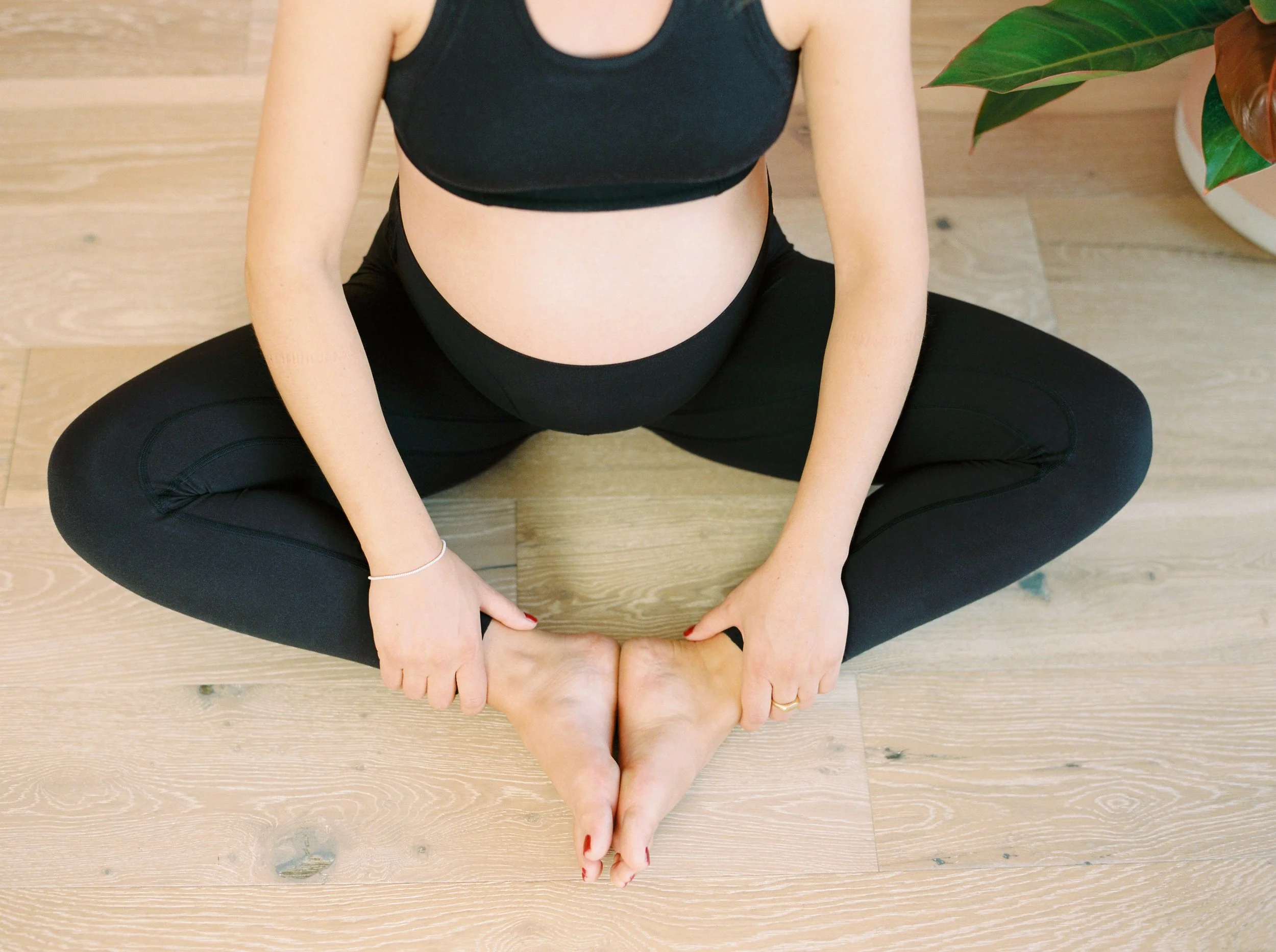
How Pregnancy Affects the Pelvic Floor
Pelvic floor changes often begin long before labor.
As the baby grows, the pelvic floor supports increasing weight for months—often six to ten pounds, not including the placenta and amniotic fluid. Hormones such as relaxin and progesterone soften ligaments and connective tissue to prepare the body for birth. While this flexibility is necessary, it also reduces pelvic support and increases vulnerability to strain.
Blood flow to the pelvic region increases during pregnancy, which can contribute to swelling, hemorrhoids, or varicose veins. Constipation is also common, and straining during bowel movements adds additional pressure to already stressed muscles.
These changes are normal—but they underscore why awareness and early pelvic care matter.

How Childbirth Impacts the Pelvic Floor
Vaginal delivery is a powerful and natural process, but it places intense demands on the pelvic floor. The vaginal tissues must stretch significantly to allow the baby to pass through. This stretching can lead to tears or, in some cases, surgical incisions.
These events can affect pelvic muscles and nerves, including the pudendal nerve, which plays a critical role in bladder, bowel, and sexual function. Assisted deliveries using forceps or vacuum extraction may increase strain as well.
After delivery, it’s common for women to notice urinary leakage, pelvic heaviness, bowel changes, or discomfort. When these symptoms are unexpected, they can feel alarming—but they are also very common.
Does Cesarean Delivery Protect the Pelvic Floor?
A common question is whether cesarean delivery prevents pelvic floor issues.
While a planned cesarean may reduce the risk of vaginal tearing, it does not eliminate pelvic floor strain. Pregnancy alone places pressure on the pelvic floor, regardless of how delivery occurs.
Additionally, a cesarean is major abdominal surgery that involves cutting through multiple layers of tissue. Recovery includes healing of the abdominal wall and changes in core stability, which can also influence pelvic floor function. For these reasons, cesarean delivery should not be viewed as a guaranteed way to avoid pelvic floor concerns.
What to Expect After Childbirth
In the early postpartum period, many women experience:
Urinary leakage or urgency
Difficulty controlling bowel movements
Vaginal dryness or discomfort
Pain with intimacy, especially while breastfeeding
Constipation, difficulty controlling gas, and a general feeling of pelvic heaviness are also frequently reported.
While many of these symptoms improve over time, those that persist beyond three months postpartum should be evaluated. Ongoing symptoms are not something you need to accept as permanent.
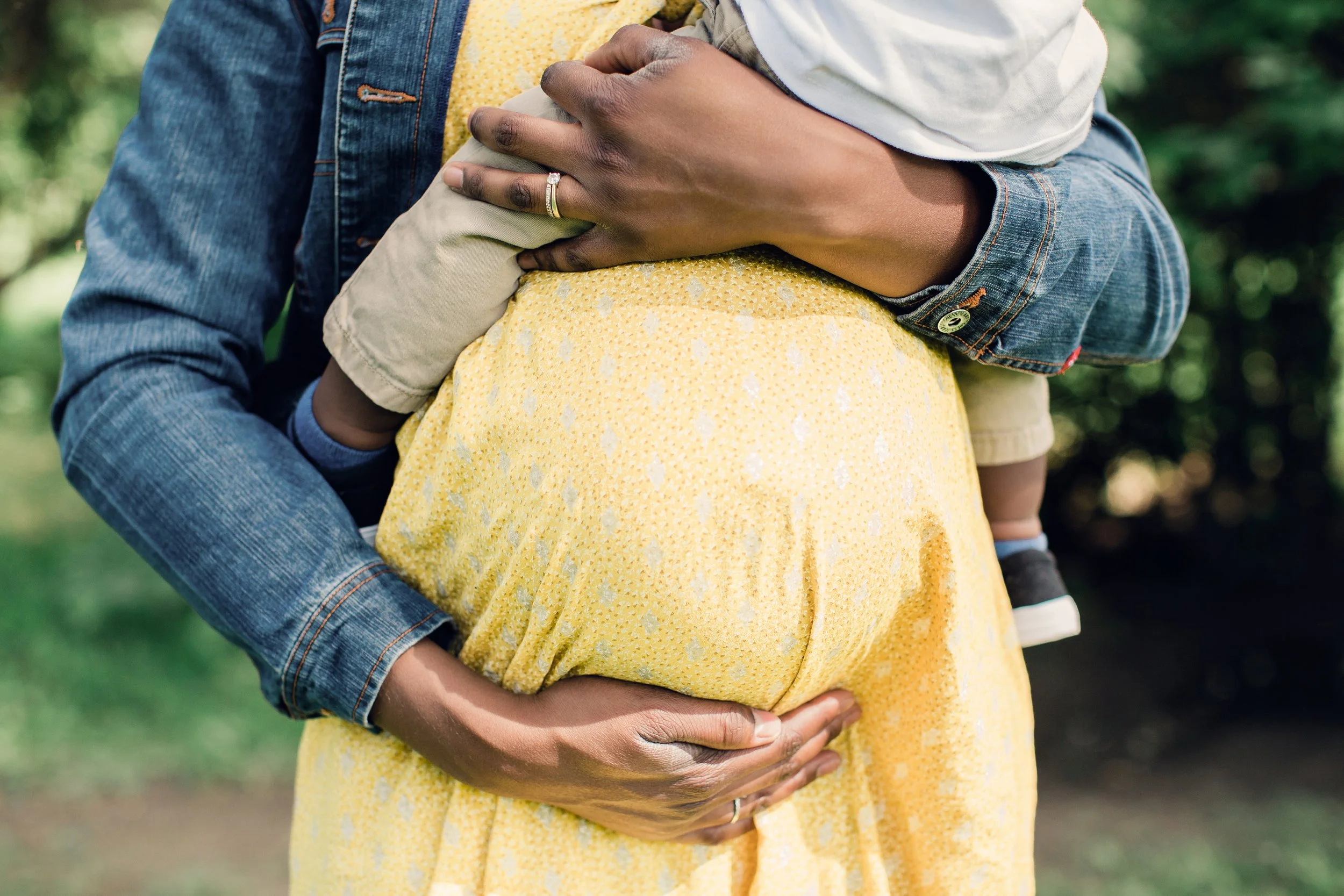
Common Postpartum Pelvic Floor Conditions
Pelvic floor conditions after childbirth are more common than many women realize. These include:
Pelvic organ prolapse, where weakened support allows organs to descend
Urinary incontinence, including leakage or urgency
Bowel control issues, which are less discussed but deeply impactful
These conditions can feel overwhelming, but effective treatment options are available, and recovery is possible.
Pelvic Floor Physical Therapy
Pelvic floor physical therapy is one of the most effective tools for postpartum recovery. This specialized care focuses on restoring strength, coordination, and flexibility.
Therapy often includes:
Breathing and pressure management
Core and pelvic strengthening
Posture and movement retraining
Education on safe lifting and daily activities
For new mothers, this also means learning how to carry, feed, and care for a baby while protecting the pelvic floor. These small adjustments can make a significant difference over time.
Giving Your Body Time to Heal
Postpartum recovery is not a race.
Healing involves physical recovery from pregnancy and delivery, hormonal shifts, emotional adjustment, and often significant sleep deprivation. Many women feel pressure to “bounce back,” but true recovery takes time.
Some women also experience mood changes or postpartum depression, reinforcing the importance of self-compassion and support. Attending follow-up appointments, listening to your body, and seeking specialized care when needed are essential parts of recovery.

Treatment Options and Long-Term Outlook
When symptoms persist, additional treatments may be considered, including:
Lifestyle and activity modifications
Targeted pelvic therapy and education
Minimally invasive procedures when appropriate
Surgery is rarely the first step, but knowing options exist can be reassuring. No woman should feel resigned to living with discomfort or dysfunction.
The Truth About Pregnancy and Pelvic Health
Pregnancy and childbirth place real stress on the body, and pelvic floor changes can occur after any pregnancy, at any age.
Urinary leakage, bowel changes, and pelvic organ prolapse are common—but they are treatable. With proper care and guidance, many women return to active, comfortable lives.
The most important message is this: help is available. Pelvic floor symptoms are not a personal failure, and they are not something you need to manage alone.
Final Thoughts
Pregnancy and childbirth affect the pelvic floor in ways that are often unspoken—but very real. Understanding your body, knowing what to expect, and seeking care when needed can make a meaningful difference in both recovery and long-term well-being.
With the right education, therapy, and support, you can protect your pelvic health, strengthen your body, and maintain quality of life for years to come.
If this resonated with you, you’re not alone—and there is more support available. Pelvic health is an essential part of overall well-being, and it deserves thoughtful, informed care. For additional guidance, tips, and exercises focused on pelvic health, follow Dr. Nabila Noor on YouTube, Instagram, and TikTok. Prioritizing your pelvic floor today ensures a healthier, stronger, and more resilient body tomorrow.